Key Takeaways
Here's what you'll learn in this comprehensive guide:
- November 2023: The Ceiling
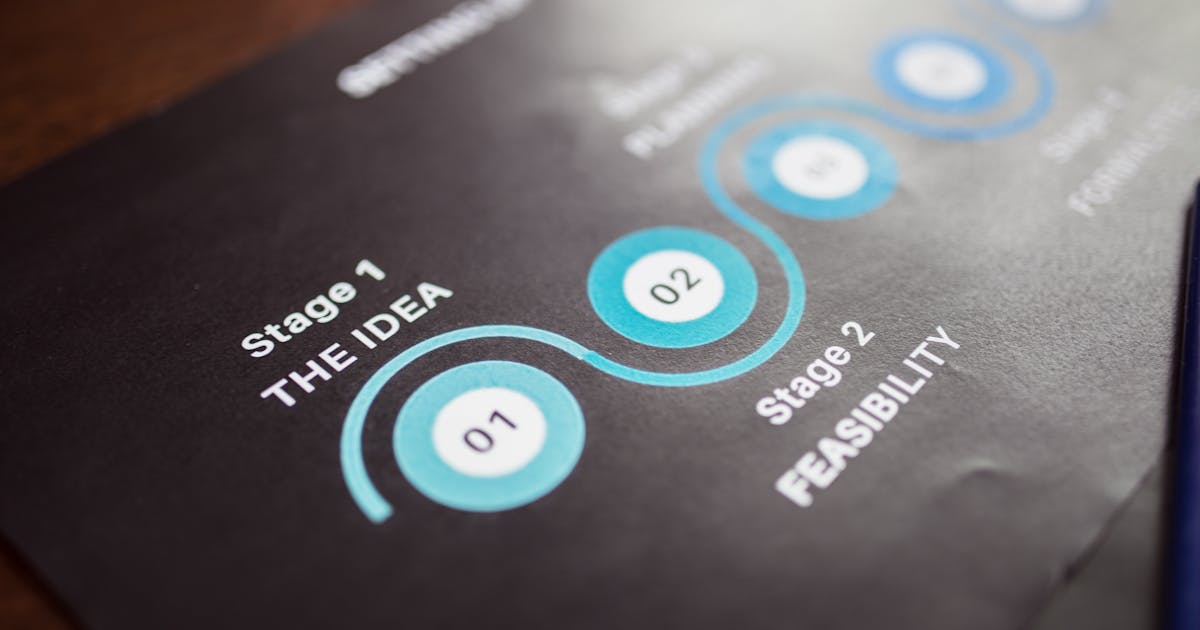
- The Evolution: 5 Stages in 24 Months
- Stage 1: Chat Assistant (Nov 2023 - Jan 2024)
- Stage 2: Tool-Augmented AI (Feb 2024 - Apr 2024)
- Stage 3: Specialized Agents (May 2024 - Aug 2024)
import BlogHero from ’@/components/blog/BlogHero.astro’; import StatCallout from ’@/components/blog/StatCallout.astro’; import InsightBox from ’@/components/blog/InsightBox.astro’; import InteractiveChart from ’@/components/blog/InteractiveChart.astro’;
<BlogHero title=“From ChatGPT to 51-Agent System: Our 2-Year AI Journey” subtitle=“Most agencies hide their AI use. We’re showing you exactly how we went from basic chat to autonomous intelligence—mistakes included.” stat={{ number: “45 min”, label: “what used to take 2-3 days (competitive analysis)” }} readingTime={12} publishDate=“2025-12-18” badge=“2-Year Evolution” />
November 2023: The Ceiling
We hit it hard.
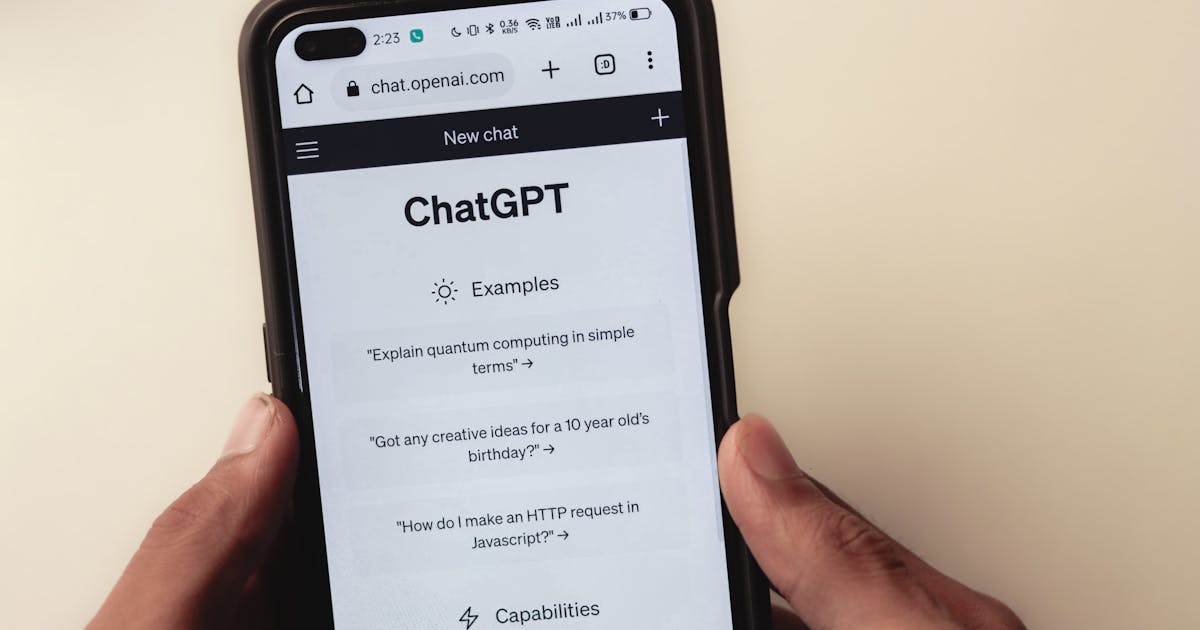
ChatGPT was incredible for brainstorming. For drafting content. For answering questions. But every single conversation started from scratch. No memory. No context. No action.
I’d spend 20 minutes explaining our client’s business, their goals, their constraints. Get great advice. Close the browser. Next day? Start over.
It was like hiring the world’s smartest consultant who has amnesia.
That’s when we found Claude Code.
The Evolution: 5 Stages in 24 Months
Here’s the path we took. Your mileage may vary, but the pattern holds.
<InteractiveChart type=“line” title=“Capability Growth: 2023-2025” data={{ labels: [‘Stage 1\nChat’, ‘Stage 2\nTools’, ‘Stage 3\nSpecialists’, ‘Stage 4\nEcosystem’, ‘Stage 5\nIntelligence’], datasets: [ { label: ‘Specialized Domains’, data: [0, 0, 10, 44, 51], borderColor: ‘#8B5CF6’, backgroundColor: ‘rgba(139, 92, 246, 0.1)’, fill: true }, { label: ‘Time Efficiency (vs Stage 1 baseline)’, data: [100, 150, 300, 500, 800], borderColor: ‘#3B82F6’, backgroundColor: ‘rgba(59, 130, 246, 0.1)’, fill: true } ] }} caption=“Indexed growth in capabilities and efficiency (Stage 1 = 100 baseline)” />
Stage 1: Chat Assistant (Nov 2023 - Jan 2024)
What we had: Basic ChatGPT web interface.
What we did:
- Brainstormed blog post ideas
- Drafted website copy
- Answered marketing questions
- Basic competitive research
The limit we hit:
Every conversation was isolated. I’d copy-paste client briefs into every new chat. No file access. No ability to actually DO anything—just suggest.
Key insight: AI as a chat partner has a ceiling. The unlock is action.
Stage 2: Tool-Augmented AI (Feb 2024 - Apr 2024)
What changed: Adopted Claude Code with file access and bash execution.
New capabilities:
- Read and write files directly
- Execute scripts and commands
- Maintain project context via
CLAUDE.md - Generate and modify code
What this enabled:
Instead of “here’s what the code should look like,” Claude could write the file. Instead of “run this command,” it could execute and show results.
We built our first automated SEO audit script with Claude. It worked. First try.
The limit we hit:
Context overload. One AI trying to be expert at everything meant mediocre results on specialized tasks. An SEO audit needs different expertise than a React component.
Stage 3: Specialized Agents (May 2024 - Aug 2024)
What changed: Created the Task tool with our first 10 specialized agents.
Each agent had:
- Focused domain expertise
- Specific system prompts
- Relevant examples and patterns
- Separate context (no overload)
Our first agents:
| Agent | Specialty | Impact |
|---|---|---|
| comprehensive-seo-strategist | Technical SEO + strategy | 3x faster audits, better quality |
| content-copywriter | Blog posts, web copy | Consistent voice, 5x speed |
| local-service-web-designer | Local business sites | Mobile-first, conversion focus |
| frontend-specialist | React, CSS, performance | Component quality jump |
| backend-specialist | APIs, databases | Architectural consistency |
Real example:
Before specialists, a competitive SEO analysis took me 2-3 days of manual work + Claude assistance.
After comprehensive-seo-strategist: 4 hours. Better insights. Consistent format.
The limit we hit:
Coordination overhead. I had to manually:
- Decide which agent to use
- Run agents sequentially (one at a time)
- Coordinate multi-agent workflows myself
- Handle failures manually (no fallback)
Stage 4: Multi-Agent Ecosystem (Sep 2024 - Oct 2024)
What changed: Expanded to 44 agents organized by category and model tier.
Agent categories we built:
| Category | Count | Model | Examples |
|---|---|---|---|
| Research | 3 | Sonnet | web-intelligence-analyst, document-summarizer |
| SEO | 5 | Sonnet | comprehensive-seo, serp-specialist, blog-analyst |
| Content | 3 | Sonnet/Opus | content-copywriter, technical-writer, proposal-writer |
| Design | 3 | Sonnet | ui-ux-designer, local-service-web-designer |
| Development | 6 | Sonnet | frontend, backend, fullstack, qa-engineer |
| Quality | 3 | Opus | quality-gatekeeper, code-reviewer |
| Strategy | 6 | Sonnet/Opus | software-architect, enterprise-cto-advisor |
| Client | 3 | Opus/Sonnet | proposal-writer, client-success-manager |
What this enabled:
Multi-domain projects with appropriate specialists. Website project? Invoke local-service-web-designer → frontend-specialist → quality-gatekeeper in sequence.
Real workflow:
Competitive analysis for new client:
web-intelligence-analyst- Research competitors (30 min)comprehensive-seo-strategist- Technical SEO audit (45 min)content-copywriter- Content gap analysis (30 min)proposal-writer- Client-facing report (20 min)
Total: ~2 hours vs 2-3 days previously.
The problem we discovered:
In October 2024, we reviewed our model usage. 57% Opus.
For context: Opus costs ~15x more than Haiku. We were using our most expensive model for everything from terminal operations to research tasks.
Annual waste: ~$25,000.
Other limits:
- Manual orchestration (had to coordinate agents ourselves)
- No proactive suggestions (system didn’t recommend approaches)
- No automatic recovery (failure = start over)
- Cognitive load (remembering 44 agents and when to use each)
Stage 5: Intelligent Orchestration (Nov 2024 - Present)
What changed: Built an intelligence layer on top of the ecosystem.
Two systems working together:
Smart Orchestration (Proactive)
What it does: Detects complex workflows and suggests multi-agent approaches BEFORE you start.
How it works:
- Pattern matching against 7 documented workflows
- Complexity detection (multi-domain tasks, comprehensive scope)
- Presents choice: “Orchestrate (parallel agents) or Simple (direct)?”
Example:
User request: “Full competitive analysis for plumbing client in Phoenix”
Smart Orchestration detects:
- Multi-domain (SEO + content + paid ads)
- Comprehensive scope (not a quick question)
- Matches “competitive-analysis” workflow pattern
Suggestion:
This looks like a comprehensive competitive analysis.

Option A (Orchestrate): Launch 3 specialists in parallel
  - web-intelligence-analyst (competitor research)
  - comprehensive-seo-strategist (technical audit)
  - content-copywriter (content gap analysis)
  → 45 min total

Option B (Simple): Direct assistance
  → 2-3 hours manual research

Which approach?
User types: “orchestrate”
All 3 agents launch simultaneously. Results compiled. Total time: 47 minutes.
Smart Escalation (Reactive)
What it does: Automatically invokes Opus specialists when Sonnet agents fail or user shows frustration.
Triggers:
- 2+ failed attempts at same task
- Error patterns indicating complexity
- User frustration signals (“this isn’t working”, “still broken”)
Example:
Sonnet agent attempts complex refactor. Fails twice (tests still breaking).
Smart Escalation detects pattern → auto-invokes senior-fullstack-developer (Opus) → provides expert guidance → task completes.
Why this matters:
Before: User had to recognize they needed escalation and manually invoke Opus agent.
After: System recognizes automatically. User gets expert help without asking.
Revenue-Weighted Model Optimization
We reorganized all 44 agents into three tiers based on business impact, not task complexity:
Opus Tier (7 agents):
- quality-gatekeeper (pre-client delivery)
- tribal-elder (crisis problem-solving)
- proposal-writer (revenue generation)
- senior-fullstack-developer (escalation)
- enterprise-cto-advisor (strategic decisions)
- security-engineer (risk mitigation)
- software-architect (foundational decisions)
Sonnet Tier (35 agents):
- All specialists (SEO, content, design, development)
- All research agents
- All tactical work
- All creative work
Haiku Tier (2 agents):
- format-converter (mechanical transformations)
- data-compiler (aggregation tasks)
Result: 57% → 20% Opus usage. $2,000+/month saved without quality loss.
<InteractiveChart type=“doughnut” title=“Model Distribution: Before vs After Optimization” data={{ labels: [‘Opus’, ‘Sonnet’, ‘Haiku’], datasets: [ { label: ‘Before (Oct 2024)’, data: [57, 38, 5], backgroundColor: [‘#EF4444’, ‘#F59E0B’, ‘#10B981’] }, { label: ‘After (Nov 2024)’, data: [20, 72, 8], backgroundColor: [‘#7C3AED’, ‘#3B82F6’, ‘#10B981’] } ] }} caption=“Opus usage dropped 65% while maintaining output quality” />
The Complete System (Today)
Here’s what happens now when you ask for something complex:
USER REQUEST
    ↓
SMART ORCHESTRATION (Proactive Layer)
  • Pattern detection
  • Complexity analysis
  • Suggests: Orchestrate vs Simple
    ↓
44-AGENT ECOSYSTEM
  • 7 Opus (revenue-critical)
  • 35 Sonnet (value-creating)
  • 2 Haiku (mechanical)
    ↓
SMART ESCALATION (Reactive Layer)
  • Failure detection
  • Frustration detection
  • Auto-invoke Opus specialists
    ↓
QUALITY GATE (Always)
  • quality-gatekeeper (Opus)
  • Before client delivery
Real numbers:
| Task Type | Stage 1 (2023) | Stage 5 (2024) | Improvement |
|---|---|---|---|
| Competitive analysis | 2-3 days | 45 min | 95% faster |
| Website project | 2 weeks | 1-2 days | 85% faster |
| SEO strategy | 1 week | 2-4 hours | 95% faster |
| Quality consistency | Variable | 90%+ | Measurable |
| Monthly AI cost | ~$5,000 | ~$2,800 | 44% reduction |
What We’d Do Differently
1. Start with Structure Earlier
What we did: Built 44 agents before organizing them.
What we should have done:
- Defined categories first
- Created organizational framework
- Built agents within structure
Why it matters: Reorganizing 44 agents retroactively is painful. Starting with structure means each new agent has a clear home.
2. Implement Cost Tracking from Day One
What we did: Discovered 57% Opus usage in month 10.
What we should have done:
- Track model usage from first agent
- Set alerts for unusual patterns
- Review monthly
The cost: ~$20,000 wasted over 10 months on unnecessary Opus usage.
3. Build Escalation Before Scale
What we did: Added Smart Escalation after 44 agents existed.
What we should have done:
- Build escalation mechanism with first 10 agents
- Refine as ecosystem grew
- Make it foundational, not an afterthought
Why it matters: Automatic recovery is more valuable when you have MORE agents, not fewer. We needed it most when we had 44 agents and high cognitive load.
4. Document Patterns Immediately
What we did: Created pattern library in month 18 (late).
What we should have done:
- Document successful workflows immediately
- Refine patterns with each use
- Make pattern creation part of project close
Why it matters: We rediscovered the same multi-agent workflows 5-6 times before documenting them. Each rediscovery wasted 20-30 minutes.
Your Path Forward: The Maturity Model
Where are you? Where should you go next?
Level 1: AI as Tool
- What you have: Basic ChatGPT access
- What you do: Brainstorming, drafting, questions
- Your ceiling: No persistence, no action
- Next step: Get tool access (Claude Code, similar)
Level 2: AI as Assistant
- What you have: Tool access, project context
- What you do: Code generation, file management
- Your ceiling: No specialization, context overload
- Next step: Create 5-10 specialist agents
Level 3: AI as Specialist
- What you have: 5-10 focused agents
- What you do: Invoke specialists for domains
- Your ceiling: Manual coordination, sequential work
- Next step: Expand ecosystem, add quality gates
Level 4: AI as Team
- What you have: 20-50 agent ecosystem
- What you do: Multi-agent workflows, quality gates
- Your ceiling: Manual orchestration, no cost tracking
- Next step: Add intelligence layer, optimize costs
Level 5: AI as System
- What you have: Intelligent orchestration + escalation
- What you do: Autonomous workflows, automatic recovery
- Your ceiling: Learning and evolution (future)
- Next step: Cross-session learning, predictive intervention
Level 6: AI as Partner (Future)
- What you’ll have: Learning from outcomes, predictive help
- What you’ll do: AI anticipates needs, self-optimizes
- The frontier: We’re not here yet. No one is.
Recommendations by Stage
Starting Out (Level 1-2)
Do:
- Focus on tool access first (Claude Code, Cursor, similar)
- Create project context documentation (CLAUDE.md pattern)
- Learn what AI can and can’t do
- Start simple (don’t build 44 agents on day one)
Don’t:
- Over-engineer too early
- Skip the chat phase (learn AI capabilities first)
- Ignore cost tracking
- Build agents before understanding patterns
Building Specialists (Level 3)
Do:
- Identify your 5-10 most common task types
- Create agents for high-frequency, high-value work
- Document agent prompts carefully
- Track what works (and what doesn’t)
Don’t:
- Create agents for rare tasks
- Build specialists without clear use cases
- Forget to measure improvement
- Skip quality comparison (specialist vs generalist)
Scaling (Level 4)
Do:
- Organize agents into clear categories
- Implement quality gates EARLY
- Track model usage and costs MONTHLY
- Document multi-agent workflow patterns
Don’t:
- Scale without structure
- Delay cost optimization
- Skip quality gates (you’ll pay for it later)
- Forget to document successful patterns
Adding Intelligence (Level 5)
Do:
- Build proactive detection (Smart Orchestration)
- Add reactive recovery (Smart Escalation)
- Optimize model costs (revenue-weighted strategy)
- Formalize pattern library
Don’t:
- Add complexity without proving value
- Automate before validating manually
- Over-engineer the intelligence layer
- Skip user testing (does it actually help?)
The Bottom Line
The journey from chat assistant to intelligent system took us 24 months. Yours might be faster (learn from our mistakes) or slower (different constraints).
The pattern that works:
- Chat → Tools: Enable action, not just advice
- Tools → Specialists: Depth beats breadth
- Specialists → Ecosystem: Scale with structure
- Ecosystem → Intelligence: Coordination + recovery = autonomy
What made the biggest difference:
- Tool access - turned suggestions into actions
- Specialization - turned competent into expert
- Orchestration - turned individual into team
- Intelligence layer - turned manual into autonomous
Where we are now:
Complex multi-domain tasks complete with minimal coordination. Automatic recovery from failures. Quality gates prevent bad output from reaching clients. Cost optimized for revenue impact.
What’s next:
Level 6 doesn’t exist yet. Cross-session learning. Predictive intervention. AI that improves itself over time.
We’ll get there. So will you.
Want to Build Your Own AI System?
We’re not selling a course. We’re sharing what actually worked.
Three ways we can help:
- Free Maturity Assessment - 15-min call to assess your current stage + roadmap to next level
- AI System Design - We’ll design your agent ecosystem (custom to your business)
- Done-With-You Implementation - We’ll build it together over 90 days
No pitch. No pressure. Just experienced builders who’ve done this.
Sources & Resources: